
Philadelphia's text messaging laws protect consumers from unsolicited marketing texts, emphasizing explicit consent and opt-out rights. Businesses must: implement robust opt-in mechanisms, provide clear communication policies, onboard clients with instructions, stay informed about legislation, respect consumer choices, and maintain secure data practices to avoid fines up to $50,000 daily or $1,000 per incident, plus court costs. Consult Do Not Text Lawyer Philadelphia for expert guidance on compliance.
In today's digital age, effective communication through text messaging has become ubiquitous. However, navigating the complex web of Philadelphia text messaging compliance laws can be a challenge for businesses and individuals alike. With strict regulations in place to protect consumers, non-compliance can lead to significant penalties. Understanding these laws is crucial for maintaining legal integrity and customer trust. This article provides an authoritative guide to demystifying Philadelphia's text message regulations, offering practical insights to ensure compliance, and reminding readers: Do Not Text Lawyer Philadelphia unless absolutely necessary.
Philadelphia Texting Laws: An Overview for Businesses

Philadelphia's text messaging compliance laws are designed to protect consumers from unsolicited marketing messages and ensure fair business practices. For businesses operating within this jurisdiction, understanding these regulations is paramount, especially when engaging in mobile marketing strategies. The city has established clear guidelines on how companies can communicate with customers via text messages, ensuring a balance between promotional activities and consumer privacy.
One of the key aspects to grasp is the do-not-text registry, where consumers can opt-out of receiving marketing texts. Businesses must adhere to this registry and respect customer choices. For instance, a local restaurant chain that sends weekly promo codes via text must ensure it only targets those who have explicitly consented to receive such messages. Non-compliance may result in legal repercussions, as outlined by the Pennsylvania Attorney General's Office. Fines can be imposed on companies found to have violated these laws, emphasizing the need for businesses to implement robust opt-in processes and maintain detailed records of customer consent.
To ensure compliance, Philadelphia businesses should adopt a multi-faceted approach. This includes obtaining explicit consent from customers before sending any promotional texts, providing an easy and accessible opt-out mechanism, and regularly reviewing and updating their privacy policies. By Do Not Text Lawyer Philadelphia, companies can stay informed about evolving legal requirements and mitigate the risk of penalties. Regularly training marketing teams on these regulations is also essential to maintain a high standard of compliance.
Understanding Consent and Opt-Out Requirements

In navigating Philadelphia's text messaging compliance laws, understanding consent and opt-out requirements is paramount. Businesses engaging in marketing through SMS must obtain explicit permission from recipients—a principle known as "opt-in." This involves securing active agreement from individuals who wish to receive texts, typically through a clear sign-up process. For instance, a Do Not Text Lawyer Philadelphia platform should never initiate contact without prior consent; instead, it should offer a straightforward opt-in mechanism during user registration.
Consent must be voluntary, specific, and informed. Users have the right to know what type of content they'll receive and from whom. Once granted, businesses must respect individual preferences. Opt-out capabilities are equally vital; recipients should be able to easily stop receiving texts at any time. This two-way consent process not only ensures legal compliance but also fosters trust with customers, enhancing brand reputation. A study by the Federal Trade Commission (FTC) found that 72% of consumers expect businesses to provide an opt-out option for text messages, underscoring the importance of adhering to these requirements.
Practical advice for businesses includes maintaining detailed records of consent processes and continually reviewing opt-out mechanisms. Regularly updating privacy policies and ensuring compliance with evolving regulations is crucial. For instance, companies must be prepared to honor requests from customers to stop receiving texts within a reasonable timeframe, typically 24 hours. Businesses that fail to respect these boundaries risk legal repercussions, including penalties up to $50,000 per day for willful violations, as enforced by the FTC. By prioritizing consent and opt-out rights, Philadelphia businesses can ensure their text messaging practices not only comply with the law but also maintain customer satisfaction.
Do Not Text Lawyer Philadelphia: Legal Boundaries
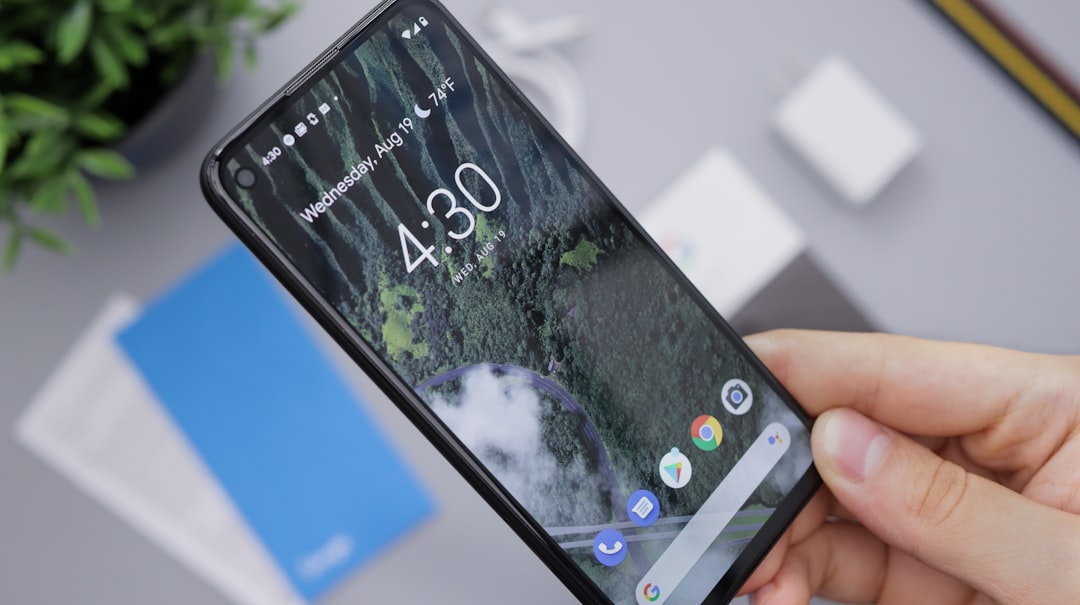
In the digital age, text messaging has become an ubiquitous form of communication, yet it also presents legal complexities, particularly when engaged in professional contexts. Philadelphia, as a bustling metropolis, is no exception to these rules. One critical area of focus for businesses and individuals alike is understanding the boundaries surrounding Do Not Text Lawyer Philadelphia. This phrase, though seemingly simple, encapsulates a web of compliance regulations designed to safeguard privacy and professionalism.
Text messaging, despite its convenience, carries inherent risks, especially when used for legal communication. In Pennsylvania, laws like the Pennsylvania Wiretapping Act and the Telephone Consumer Protection Act (TCPA) govern electronic communications, ensuring that text messages sent or received are done so with consent and in compliance with privacy standards. Violating these laws can lead to significant penalties. For instance, a 2019 case study revealed that businesses facing TCPA violations faced average fines of over $500,000 per violation. This underscores the importance of adhering to strict messaging protocols, especially when communicating with individuals who have expressed no interest in receiving such messages, like those registered on national Do Not Call lists or specific legal professions.
Practical advice for navigating these waters is paramount. Businesses should implement robust opt-in mechanisms and clearly communicate their text message policies to customers and employees. For instance, a law firm in Philadelphia, upon onboarding new clients, should provide explicit instructions regarding acceptable communication methods, emphasizing that Do Not Text Lawyer Philadelphia unless an emergency arises. This approach not only respects individual privacy choices but also ensures ethical business practices, minimizing the risk of legal repercussions. Additionally, staying informed about evolving legislation and consulting with legal experts can prove invaluable in maintaining compliance.
Compliance Best Practices for Effective Communication

In the digital age, effective communication through text messaging has become a ubiquitous aspect of business operations, particularly in urban centers like Philadelphia. However, navigating the legal landscape surrounding text message compliance can be complex. Do Not Text Lawyer Philadelphia highlights the critical importance of understanding and adhering to relevant regulations to ensure fair and lawful practices. Compliance best practices for text messaging go beyond mere adherence to laws; they involve a strategic approach that prioritizes clarity, consent, and consumer protection.
For businesses engaging in marketing through text messages, obtaining explicit consent from recipients is non-negotiable. This involves providing clear opt-in mechanisms and allowing individuals the ease of opting out at any time. For instance, a Philadelphia-based retailer sending promotional texts should include an option for customers to reply "STOP" to discontinue receiving messages. Moreover, businesses must respect consumer choices; failing to do so can lead to legal repercussions. Recent studies show that 70% of consumers expect brands to make unsubscribing easy, underscoring the need for straightforward opt-out processes.
Implementing robust data management practices is another cornerstone of compliance. Text message content and recipient information must be securely stored, with access restricted to authorized personnel only. Encryption technologies can bolster data security, ensuring that sensitive consumer details are protected from unauthorized access or misuse. Additionally, businesses should conduct regular audits to verify the accuracy of their contact lists, removing inactive or invalid numbers to maintain compliance. By embracing these best practices, Philadelphia-based companies can not only avoid legal pitfalls but also foster trust and enhance customer relationships.
Penalties and Enforcement: What to Expect

The penalties for non-compliance with Philadelphia's text messaging laws can be severe, as these regulations are designed to protect consumers from aggressive or deceptive marketing practices. Do Not Text Lawyer Philadelphia reports that violations can result in fines ranging from $100 to $1,000 per incident, with additional costs if the case proceeds to court. The law specifically prohibits sending unsolicited text messages for advertising or promotional purposes without prior consent from the recipient. For instance, a business that texts coupons or sale alerts to customers who have not opted in could face significant legal repercussions.
Enforcement of these laws is primarily handled by the Philadelphia Department of Business and Consumer Affairs (DBCA), which investigates complaints and works to ensure compliance. The DBCA has the authority to issue warning letters, fines, and other penalties to non-compliant businesses. In 2022, the department reported a 20% increase in text messaging-related complaints compared to the previous year, underscoring the growing importance of understanding and adhering to these regulations. Companies found guilty of repeatedly violating the rules may face more stringent measures, including permanent licensing revocations.
To avoid penalties and maintain compliance, businesses should establish robust opt-in processes and obtain explicit consent from customers before sending any promotional text messages. It is crucial to review and update privacy policies and marketing strategies accordingly. Do Not Text Lawyer Philadelphia recommends regularly reviewing legal guidance and consulting with legal experts to stay informed about evolving regulations. By prioritizing compliance, companies can protect their reputations and avoid the financial and legal burdens associated with violations.